Accept What Is, Let Go of What Was, Have Faith in What Will Be
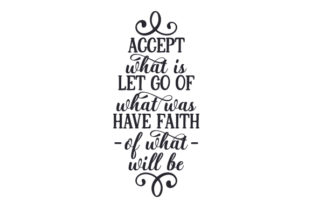
As an experienced embroidery designer and product reviewer, I often find myself evaluating how well a design translates from digital file to finished product. The phrase "Accept what is, let go of what was, have faith of what will be" has a powerful message that resonates with many, especially in the crafting community. But beyond the sentiment, it's crucial to understand how this design functions in real-world embroidery projects.
A Design That Speaks to the Soul—and the Hoop
The first thing that stands out about Accept What is, Let Go of What Was, Have Faith of What Will Be is its balanced layout. It reads like a mantra, but visually, it’s structured with clarity and rhythm. The typography is clean yet expressive—ideal for both modern minimalism and traditional hand-stitched looks. The overall mood feels introspective and uplifting, making it a great fit for personalized gifts, handmade apparel, or even boutique branding where emotional resonance is key.
While the text dominates the composition, the subtle spacing between each line allows for easy customization. You can add borders, floral accents, or geometric elements without overwhelming the message. This makes it highly versatile for crafters who enjoy blending their own style into a ready-made design.
Real-World Application: A Tote Bag Project
Let me walk through a practical example. Imagine you're preparing custom embroidered tote bags for a holiday market or as part of your Etsy shop inventory. You select this design because it fits perfectly with the theme of mindfulness and gratitude. On a white cotton canvas tote, the letters appear bold and legible, thanks to the moderate stitch density and clear lettering. When stitched using satin stitch and fill stitch techniques, the design maintains crisp edges and good coverage, especially if you use a mid-weight stabilizer underneath.
However, on a stretchy fabric like a rayon-blend tote, things change slightly. The design may pucker if not tested properly beforehand. As a rule of thumb, always test on scrap fabric before committing to a full batch. This is especially true when working with commercial embroidery projects or items that need frequent washing, like reusable grocery bags.
Where This Design Shines
- Custom Apparel: Sweatshirts and t-shirts benefit from the design's readable format. It works best in larger sizes, allowing for proper spacing and visual impact.
- Baby Items: For soft, breathable fabrics used in baby clothes or nursery decor, the design needs careful handling. High stitch density areas should be reviewed to avoid stiffness in delicate garments.
- Patches and Caps: If you’re creating an embroidered patch or planning to stitch this onto a curved surface like a cap, consider adjusting the layout. Text-heavy designs can lose clarity on tight curves, so testing on a mockup is essential.
- Aprons and Pillow Covers: These are excellent candidates for the design. The message aligns well with the thoughtful, handmade nature of these items. Just ensure the hoop size accommodates the entire text block comfortably.
- Holiday and Wedding Gifts: With a touch of gold thread or metallic accents, this design can elevate simple items into meaningful keepsakes. Its motivational tone makes it ideal for gift-giving scenarios where personalization adds value.
When to Use Caution
While the design is elegant and functional, there are a few limitations to keep in mind:
- Small Hoop Sizes: The length of the text means it won’t fit easily into small hoops. If you plan to use it in mini formats, consider shortening the wording or repositioning it creatively.
- Textured or Stretchy Fabrics: These can distort fine details. Always check how the design interacts with the fabric texture during test stitching.
- Dark Fabric Backgrounds: The default thread colors might not stand out enough. Review the thread color contrast carefully—lighter shades like cream or pastels could work better than black on darker materials.
- Layered Garments: Stitching on layered products (like jackets with padding) can lead to uneven tension. Make sure your machine is set up correctly and use a suitable stabilizer.
- Detailed Corners and Tiny Lettering: While the main text is large enough for most applications, any decorative flourishes or smaller supporting letters require attention. Test them on different materials to ensure they hold shape after multiple washes.
Visual Appeal and Customer Reception
Visually, the design brings a sense of calm and purpose. Customers tend to respond well to such messages, especially in handmade products. It adds depth to your offerings, turning a basic item into something with emotional weight. Whether it's a pillow cover for a client's living room or a sweatshirt for a boutique collection, this design elevates the project with a touch of authenticity.
Stitching clarity is another important factor. The font used in Accept What is, Let Go of What Was, Have Faith of What Will Be is designed with simplicity in mind, which helps maintain sharpness across various stitch types. However, for hobbyists or beginners, it's worth noting that dense stitch areas may require more time and attention to prevent puckering or distortion.
Design Notes for Embroidery Success
To make the most of this machine embroidery design, here are some practical tips every embroiderer should follow:
- Test on scrap fabric first—especially if you're new to the file or using a different fabric type than usual.
- Review stitch density to ensure it complements the fabric thickness and doesn't cause unnecessary bulk.
- Check thread color contrast against your chosen fabric. Consider using variegated threads for a more dynamic look.
- Confirm hoop size is sufficient for the full design. Don’t assume—it can vary by brand and model.
- Inspect small details like punctuation and spacing. They matter when it comes to readability and customer satisfaction.
- Use proper stabilizer depending on the fabric. Cotton, linen, or felt can all react differently under tension.
- Consider black and white mockups before purchasing thread packs. Sometimes, the subtleties become clearer once color is stripped away.
- Compare light and dark fabric backgrounds to see which offers the best visibility and aesthetic appeal.
- Check licensing before selling finished items or including the design in digital product bundles. Licensing terms aren't always clear unless provided explicitly.
Adding Value to Your Craft Business
For Etsy sellers and small shop owners, this design can serve as a cornerstone for a seasonal collection. Pair it with soft pastel colors and minimalist layouts for spring or summer lines, or add a rustic feel with brown and cream thread tones for fall markets. It supports brand consistency by offering a professional appearance while maintaining a warm, human touch.
Its giftability is also strong. Personalized items featuring this design are likely to be cherished by recipients. Whether it's a tea towel for a friend or a sweatshirt for a client, the message feels sincere and impactful.
From a business standpoint, the design enhances product value and customer trust. People buy into stories, and this one tells a tale of resilience and hope. When presented thoughtfully, it builds recognition and can become a signature element in your craft business.
Final Thoughts for the Designer
In my experience, Accept What is, Let Go of What Was, Have Faith of What Will Be isn’t just a design—it's a concept that can guide your creative process. It’s perfect for those who want to infuse meaning into their handmade products without overcomplicating the visuals. As a motivational piece, it connects deeply, and as a crafts asset, it delivers reliable results when handled with care.
If you're considering this design for a real project, take the time to review its nuances. Think about how it will sit on the garment, whether the fabric will support the stitches, and if the message aligns with your brand or client's vision. Once you've done that, you'll be ready to bring this beautiful phrase to life in a way that’s both meaningful and professionally executed.