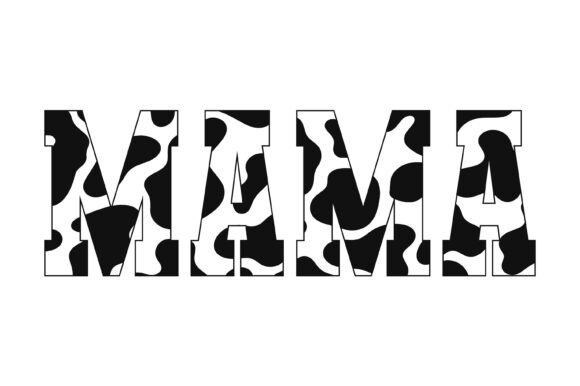
Mama Cow Print Typography Design: A Rustic Charm for Real Projects
As an experienced designer and embroidery product reviewer, I often find myself evaluating digital files based on how they translate from screen to fabric. The Mama Cow Print Typography Design is one such file that caught my attention—not just for its visual appeal but for the thoughtful balance of style and practicality it offers. This design isn’t a flashy novelty; it’s a warm, handcrafted statement that feels like it was pulled straight from a countryside barn wall.
A First Glance: Rustic and Heartfelt
The first thing that stands out about this typography design is its mood. It carries a soft, nostalgic charm with bold lettering and subtle texture that screams “country living.” The words are arranged in a way that feels intentional yet relaxed—like a handwritten message you might see on a vintage sign at a family-run farm. The layout is centered, which makes it ideal for symmetrical placements on t-shirts or tote bags. There’s also a gentle curvature to some letters, giving it a western flair without being too over-the-top.
I particularly appreciate the use of negative space and the clean lines that make up the cow print motif. It adds character without overwhelming the viewer. The details are enough to suggest a handmade aesthetic but not so intricate that they’ll cause issues when stitched. For hobbyists and small business owners, this means the design can be applied confidently without requiring advanced embroidery skills or equipment.
Real-Life Application: Tote Bags and Sweatshirts Shine
Let’s imagine a real-world scenario: a local boutique owner wants to create a line of custom embroidered tote bags for the upcoming holiday season. They’re looking for something personal yet versatile. The Mama Cow Print Typography Design fits perfectly here. Its size and spacing allow it to sit comfortably on a 12x14 hoop, and the typography reads clearly even from a distance. On a cotton canvas tote bag, the satin stitch elements pop nicely against the natural fabric grain.
When used for sweatshirt embroidery, the design maintains its integrity due to its moderate stitch density. The fill areas aren’t overly tight, which is great for preventing puckering on knit fabrics. The running stitch elements, such as outlines or accents, are consistent and won’t unravel after repeated washing—a big plus for baby items or everyday wear.
This design also works well as an embroidered patch, especially for denim jackets or leather vests. Its clean edges and clear definition make it easy to cut and sew onto garments. If you're an Etsy seller or craft fair vendor, you could easily offer this as a premade patch or let customers choose their own thread colors to personalize it further.
Perfect for Handmade Products and Personalized Gifts
One of the standout qualities of the Mama Cow Print Typography Design is how it elevates the look of handmade products. Whether it’s a baby onesie, a kitchen towel, or a pillow cover, this design brings a sense of warmth and authenticity. It's especially effective for personalized gifts where sentiment matters more than complexity. The typography doesn’t demand precision tools or high-end machines, making it accessible for both beginners and seasoned embroiderers.
If you're working with digital embroidery files, the SVG format allows for easy resizing while maintaining clarity. The transparent PNG is useful for creating printable mockups or preview images for your Etsy shop or website. Having an EPS or AI editable file is a bonus if you want to tweak the text or add names for customization purposes.
Where to Use with Care: Texture, Size, and Fabric Considerations
While this design is a solid choice for many projects, there are a few scenarios where caution is needed. For example, using it on small hoop sizes may require cropping or scaling down, which can affect the readability of the smaller text. If you’re planning to stitch it onto a cap or curved surface, you'll need to adjust the design or consider whether it will still maintain its visual impact after distortion.
Textured fabrics like linen or flannel can muddle the fine details, especially in the corners or along the outer edges. Always test on scrap fabric first to ensure the stitch count and tension work well with the material. Similarly, if you're using thin or stretchy fabrics, keep an eye on stitch density and stabilizer usage to avoid distortion or tearing.
For dark fabric backgrounds, you’ll want to confirm that the thread color contrast is strong enough to make the design stand out. White or cream threads work best, but if you're going for a muted look, light gray or off-white might still be viable options. Testing a black-and-white mockup before stitching can help you visualize the outcome accurately.
Design Notes for the Embroidery Pro
- Test on scrap fabric: Before committing to a full project, always try the design on a piece of the same material to check for any unexpected behavior in stitch formation or tension.
- Check thread color contrast: Especially important for dark or patterned fabrics. Make sure the text remains legible once stitched.
- Review stitch density: The fill areas should be consistent, avoiding overly tight stitches that might pucker or tear delicate materials.
- Confirm hoop size: While not specified in the product description, it's wise to check what hoop sizes are recommended for optimal results.
- Inspect small details: Look closely at the corners and curves of the letters to ensure they hold shape and don’t get lost in the stitch pattern.
- Use proper stabilizer: A backing stabilizer is essential for keeping the design flat and preventing distortion during stitching.
- Check licensing terms: If you plan to sell finished products or digital assets featuring this design, confirm that the license allows for commercial use.
Visual Appeal Meets Stitching Clarity
What really sets this design apart is how it looks after stitching. The cow print background gives it a unique texture without adding unnecessary stitch complexity. It feels like part of the garment rather than slapped onto it, which is a key factor in customer perception. People can tell when a design is thoughtfully placed and stitched—it speaks to quality and care.
In terms of product value, this design can elevate a basic tote or apron into something memorable. It adds a touch of personality that appeals to buyers looking for meaningful, artisanal goods. As a result, it can improve customer trust and increase perceived professionalism, especially if you're branding yourself as a creator of country-style or Western-themed merchandise.
Its giftability is another strength. The phrase “Mama Cow” has a playful yet heartfelt tone, perfect for personalized gifts, nursery decor, or even wedding favors. The design’s rustic feel makes it instantly recognizable and evokes a sense of nostalgia, which can drive buyer engagement and repeat purchases.
Brand Consistency and Craft Business Value
For those managing a craft business or selling through platforms like Etsy, consistency is key. The Mama Cow Print Typography Design can serve as a signature element across multiple products—think matching tea towels and aprons, or coordinating sweatshirts and pillow covers. When used consistently, it builds brand recognition and helps customers identify your style at a glance.
It also pairs well with other design assets, such as floral motifs or simple borders. You can build a cohesive collection by layering this typography with complementary elements, all while keeping the stitching process straightforward and manageable.
Final Thoughts: A Thoughtful Addition to Your Embroidery Kit
Overall, the Mama Cow Print Typography Design is a valuable asset for anyone working in T-Shirt Designs and Graphics for handmade or commercial embroidery. It strikes the right balance between simplicity and charm, making it adaptable to a wide range of projects. From a machine embroidery design standpoint, it's reliable, easy to modify, and visually engaging.
That said, like any design, it requires thoughtful application. Be mindful of fabric choices, hoop size, and thread visibility to ensure it performs well in every stitch. With the right preparation, this design can become a staple in your creative toolkit—whether you're crafting for your own shop or producing custom apparel for clients.